Kids Daily Routine Log Book
Helping children develop consistent habits and a sense of responsibility is an essential part of their growth. The Kids Daily Routine Log Book is a practical tool designed to make this process engaging, structured, and fun for kids of all ages. Whether you're a parent, teacher, or homeschooler, this log book provides a clear framework for guiding children through their daily activities while encouraging independence and self-discipline.
The Kids Daily Routine Log Book is more than just a planner—it's a guide that helps children understand the value of routine, structure, and personal accountability. With its kid-friendly layout, interactive elements, and age-appropriate design, it’s perfect for helping young learners stay on track without feeling overwhelmed.
What Makes This Log Book Unique?
One of the most common mistakes parents make when choosing a routine tracker for their child is opting for something too complex or not tailored to the child’s developmental stage. A log book that’s too advanced can confuse younger children, while one that’s too simple may fail to provide enough structure. The Kids Daily Routine Log Book avoids these pitfalls by offering a balance between simplicity and guidance.
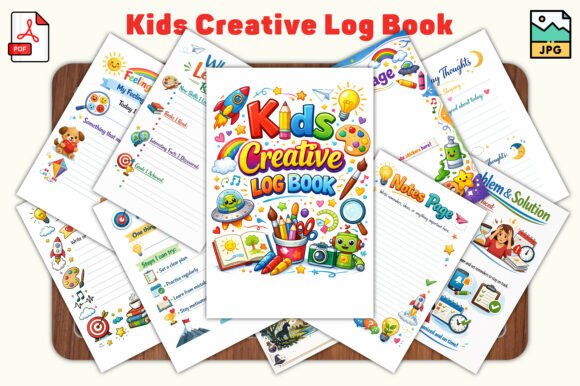
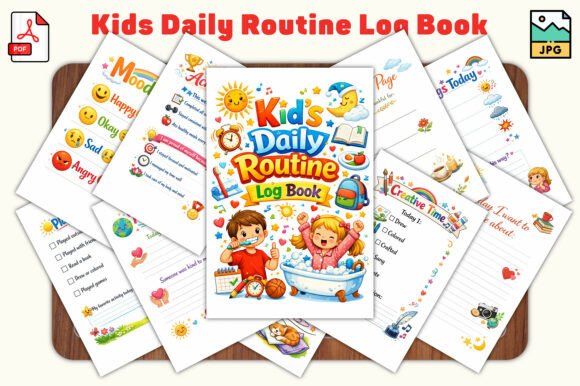
It includes 30 beautifully structured interior pages with sections dedicated to tracking morning routines, school learning, healthy habits, chores, emotions, and even creative expression. Each page is designed to be easy to follow, with checkboxes, prompts, and spaces for drawings or writing. This makes it ideal for children who are just beginning to learn about time management and personal responsibility.
Common Mistakes and How to Avoid Them
Many parents try to implement a daily routine without considering how their child will respond to it. For example, some may push for strict adherence to a schedule without allowing flexibility, which can lead to resistance or frustration. Others might choose a log book that doesn’t align with their child’s interests or learning style, making it less effective over time.
A better approach is to introduce the log book as a fun and positive activity rather than a chore. Let your child choose their favorite color or add stickers to personalize their pages. This small step can increase engagement and make the experience more enjoyable.
Another mistake is not reviewing the log book regularly with your child. Without regular check-ins, it’s easy for the routine to become just another task rather than a meaningful learning experience. Set aside a few minutes each day or week to go over what they’ve completed and celebrate their progress.
Why Use a Structured Routine for Kids?
Establishing a daily routine helps children feel secure and gives them a sense of control over their environment. It also supports the development of important life skills such as time management, organization, and goal-setting. However, many parents overlook the importance of consistency in implementing these routines.
Some may start strong but then abandon the routine after a few days, which can leave the child confused or discouraged. To avoid this, it’s important to commit to using the log book consistently and to model the behavior you want to see. If you’re busy or stressed, your child may pick up on that and lose motivation.
Instead, use the Kids Daily Routine Log Book as a way to create a shared family routine. This not only helps your child stay on track but also strengthens your bond and promotes teamwork.
What to Look for When Choosing a Log Book
When selecting a routine log book, consider the format and accessibility. Some books are available in digital formats, which can be easier to print or modify as needed. Others may come with additional features like weekly reviews, reward systems, or gratitude prompts. These elements can help reinforce positive behaviors and encourage reflection.
Another thing to check is whether the log book is adaptable to different age groups. While the Kids Daily Routine Log Book is designed for children, it’s important to ensure that the content and structure are appropriate for your child’s developmental level. For younger children, look for books with larger fonts, bright colors, and simple language.
Finally, make sure the log book is durable and easy to use. A high-quality PDF or JPG file ensures that the content remains clear and legible when printed. It should also be compatible with various devices and printers, making it accessible for both home and classroom use.
Encouraging Responsibility Through Routine
Responsibility is a skill that must be taught and practiced over time. The Kids Daily Routine Log Book offers a gentle way to introduce this concept by breaking tasks into manageable steps. For example, instead of expecting a child to complete multiple chores at once, the log book allows them to check off each task as it’s completed, reinforcing a sense of accomplishment.
However, some parents may mistakenly assume that simply providing a list of tasks is enough. In reality, it’s just as important to teach your child the why behind each task. Explain how completing chores contributes to the well-being of the household and how following a routine helps build confidence and self-reliance.
To make this more effective, pair the log book with positive reinforcement. Offer praise, small rewards, or special privileges when your child completes their tasks. This helps create a positive association with responsibility and encourages them to continue developing good habits.
Final Thoughts
The Kids Daily Routine Log Book is a valuable resource for any parent, teacher, or caregiver looking to support their child’s growth and development. By avoiding common mistakes and using the book in a thoughtful, consistent way, you can help your child build the skills they need to succeed in school, at home, and beyond.
Remember, the goal isn’t perfection—it’s progress. Every small step forward counts, and with the right tools and mindset, your child can develop healthy habits that will last a lifetime.